Concrete Repair Contractors in Pontiac, MI

– Diagnosing and Fixing Damage Right the First Time

Michigan winters and Pontiac’s varied sub-grade conditions create a predictable pattern of concrete deterioration — freeze-thaw cracking, deicing salt surface spalling, settlement from sub-grade moisture fluctuation, and progressive joint sealant failure that allows water to undermine slab support season after season.

Get Estimated Now

Name
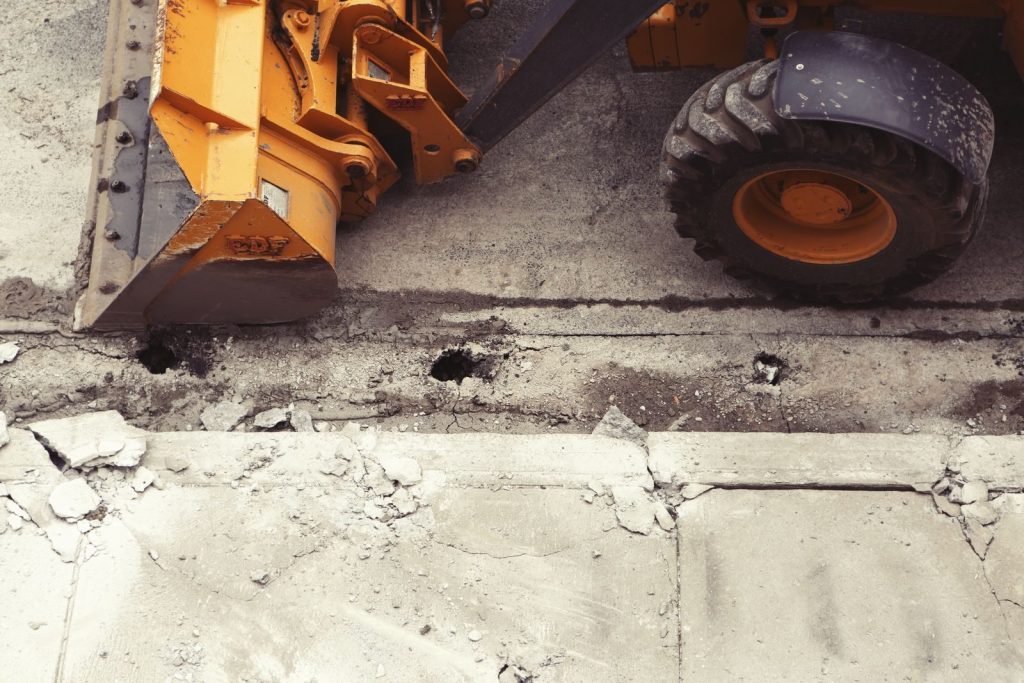
Close-up of an excavator working on road construction, showcasing the industrial process.

Concrete Repair

When concrete on your Pontiac property fails, our concrete repair contractors diagnose the specific cause and apply the appropriate fix rather than a surface patch that re-fails before the following winter.

Our concrete repair team serves residential and commercial properties throughout Pontiac and Oakland County — delivering repairs that hold through multiple Michigan winters and protect your concrete investment for years beyond the repair date.

Common Concrete Damage We Repair in Pontiac

Deicing Salt Surface Spalling and Scaling

Progressive surface spalling — the flaking and pitting of the top concrete layer — is the most common damage pattern on Pontiac concrete exposed to road salt from M-59, Woodward Avenue, and Telegraph Road. Salt lowers the freezing point of water in the concrete surface layer, intensifying freeze-thaw cycling precisely where the concrete is most vulnerable while simultaneously introducing chloride ions that corrode steel reinforcement over time. We address spalling through shot blast surface preparation, bonding agent application, and polymer-modified concrete overlay resurfacing that creates a fresh, dense surface resistant to continued salt and freeze-thaw exposure.

Settlement Cracks from Sub-Grade Moisture Changes

Pontiac's mixed glacial till sub-grades — which vary from well-draining sandy till to moisture-retentive clay-rich formations across different neighborhoods — create settlement and cracking patterns as seasonal moisture changes cause sub-grade consolidation beneath slabs. We evaluate each crack for width, depth, differential movement, and activity level before recommending repair: polyurethane sealant for stable surface cracks, flexible polyurethane injection for actively moving cracks, and rigid epoxy injection for structural full-depth cracks no longer in motion.

Commercial Parking Lot and Sidewalk Deterioration

In areas of Pontiac with clay-rich sub-grades — particularly in lower-lying areas near the Clinton River and its tributaries — frost heave lifts panels out of level each winter, creating trip hazards, drainage problems, and cracking at joint locations. We correct frost-heaved and settled panels with polyurethane foam slab lifting — a minimally invasive process that raises panels back to grade, fills sub-base voids simultaneously, cures in minutes, and allows same-day use of the repaired surface.

Joint Sealant Deterioration and Water Infiltration

Control joint sealant that has degraded — shrunk, cracked, or separated from joint walls — is a direct pathway for water infiltration that erodes sub-base material beneath the slab and accelerates progressive settlement. We rout and reseal deteriorated Pontiac concrete joints with flexible polyurethane sealant rated for Michigan's full temperature cycling range, preventing the sub-base erosion that leads to increasingly expensive structural repairs.

Our Concrete Repair Methods in Pontiac

Polyurethane Foam Slab Lifting

Foam injection raises settled panels back to grade with minimal surface disruption — expanding to fill sub-base voids, curing within minutes, and delivering same-day use. Most cost-effective correction for Pontiac frost heave settlement and sub-grade consolidation settlement at a fraction of panel replacement cost.

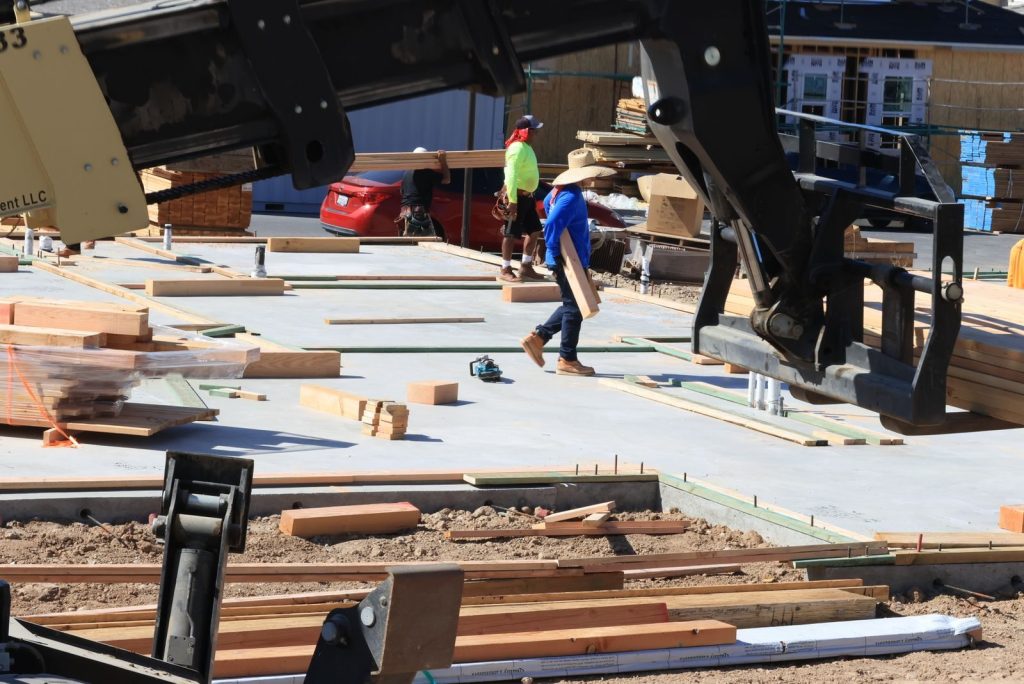
Construction workers actively building a structure with timber and machinery outdoors.
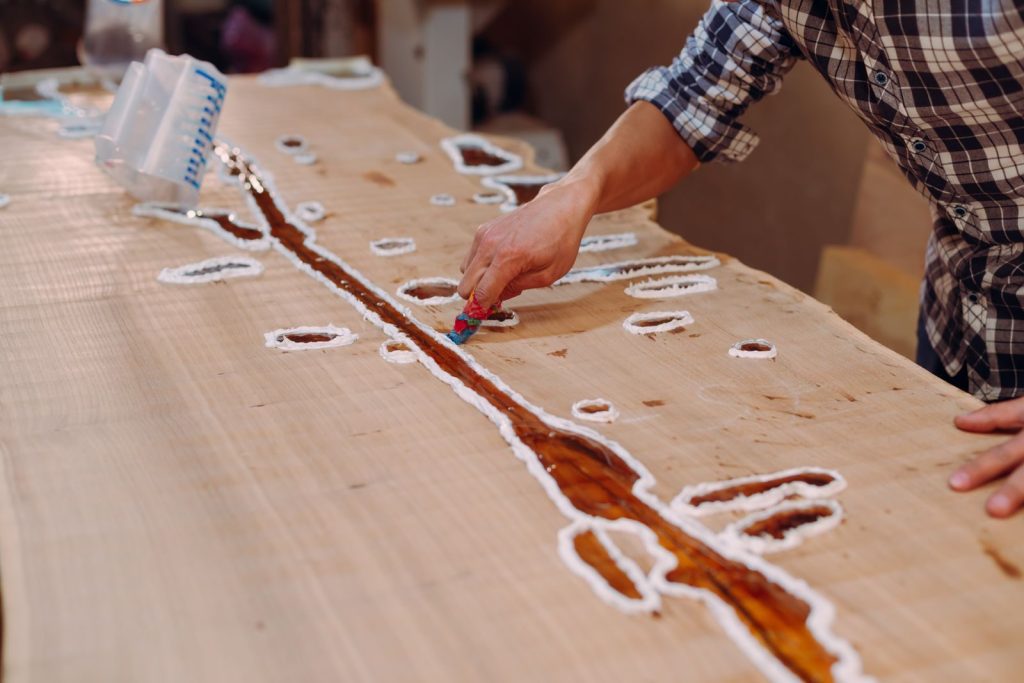
A skilled craftsman applying resin on a wooden table in a workshop setting.

Epoxy and Polyurethane Crack Injection

Rigid epoxy fills structural cracks with near-original tensile strength for cracks no longer in motion. Flexible polyurethane injection seals actively moving cracks with a durable, freeze-thaw-resistant bond that accommodates thermal movement without re-cracking through Michigan’s seasonal temperature swings.

Bonded Concrete Overlay Resurfacing

A polymer-modified concrete overlay — 1/4 to 1/2 inch thick over a properly prepared substrate — restores widespread surface spalling, scaling, and surface-depth cracking while preserving the structural slab beneath. Cost-effective for Pontiac driveways and commercial surfaces where the underlying structure remains sound. Overlays can be textured, colored, or stamped for enhanced appearance.

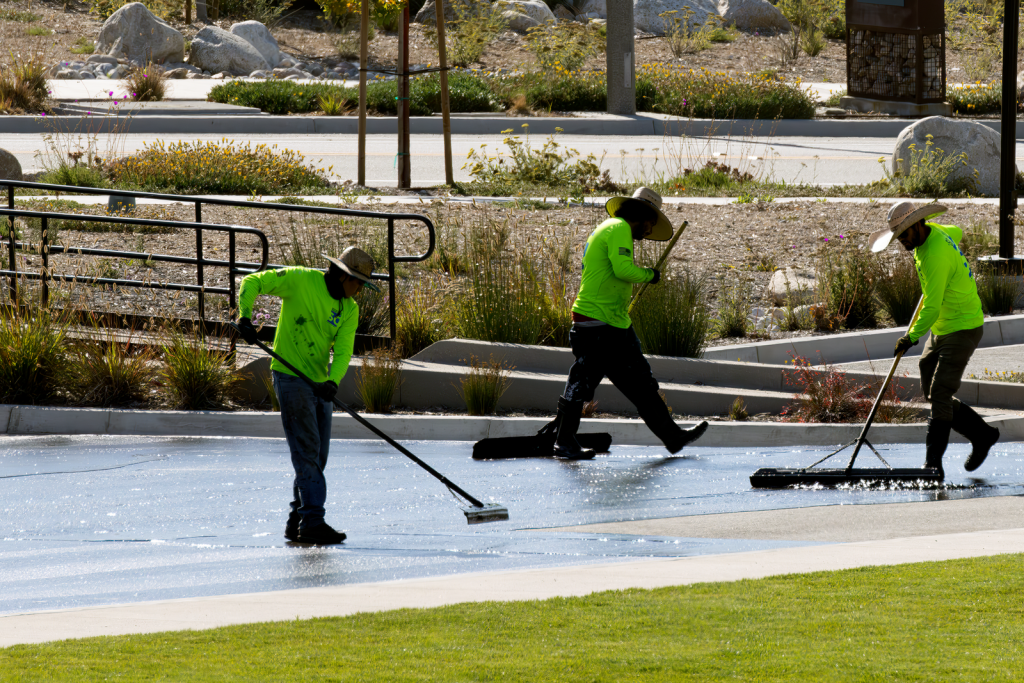
Crew of workers in bright uniforms cleaning a park walkway with brooms under sunlight.
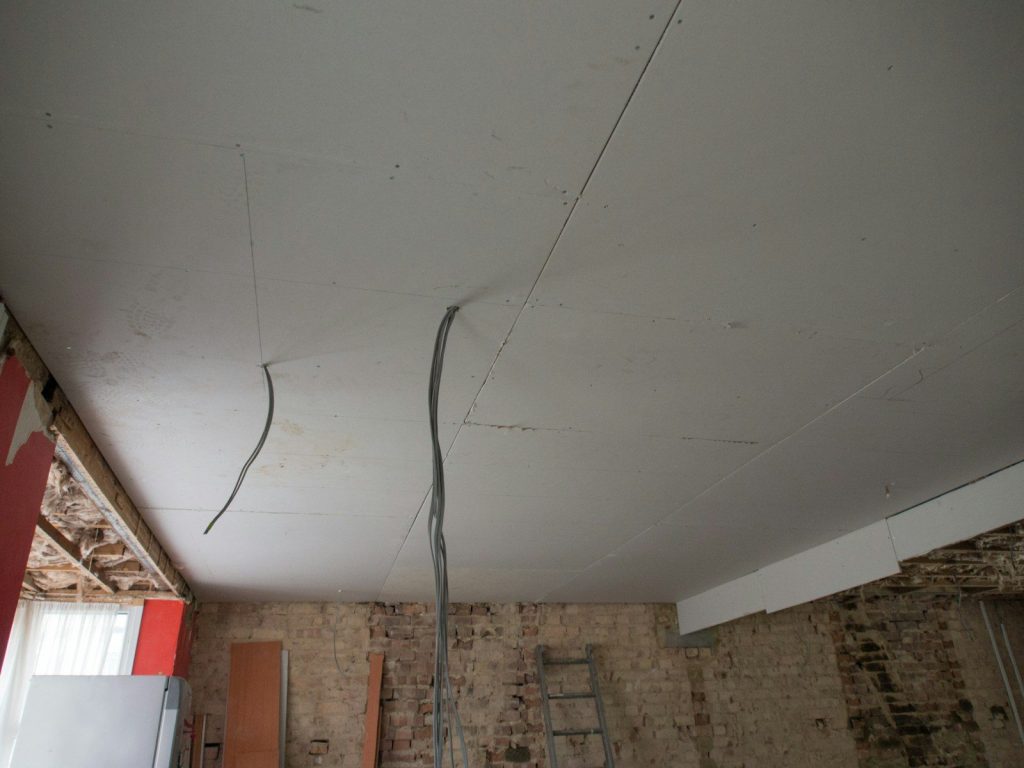
a room with a ladder and a brick wall

Panel Replacement

Individual panels too severely deteriorated for surface repair are removed and replaced in targeted fashion — matching thickness, air entrainment specification, reinforcement, and finish to surrounding concrete. Targeted panel replacement avoids the expense of full slab demolition where only isolated sections have failed.

Why Pre-Winter Repair Is Essential for Pontiac Concrete

Every unsealed crack or failed joint entering a Pontiac winter is a water infiltration point that freezes, expands, and worsens damage through each successive freeze-thaw cycle. A $150 to $250 crack seal before winter can prevent a $2,000 to $3,500 panel replacement the following spring. Our Pontiac repair team prioritizes pre-winter scheduling for crack sealing, joint maintenance, and slab lifting — the highest-ROI maintenance investment available to Pontiac property owners each fall.

Schedule Your Free Concrete Repair Inspection in Pontiac

Contact our Pontiac concrete repair team today for a free on-site inspection and written estimate. We serve Pontiac, Waterford, Auburn Hills, Bloomfield Hills, Clarkston, Lake Orion, White Lake, and surrounding Oakland County communities.